
What is Romantasy, in a World of Fantasy Romances?
Romantasy is the sub-genre presently taking the wider world by storm – though many lifelong writers and readers know that it's a cult classic.
Still, whether you're deep in revision or just beginning to query, it's worth clarifying what this little enigma of high-stakes adventure, magic, and swoon-worthy romance is actually about. And more importantly: whether your manuscript genuinely fits the bill.
what is romantasy?
There are a whole host of opinions, but one thing that everyone seems to agree on is that in romantasy novels, the fantasy and the romance are interdependent. They carry equal weight within the story, and it would be fundamentally altered – if not broken completely – if either were removed.
Romantasy is a dual-arced story; one of love navigated through a high-stakes, fantastical world in which both the romance and fantasy arcs overlap and interact with each other. The magic doesn’t just set the scene, it shapes how relationships develop – the romance doesn’t just add a spark, it deepens the stakes and often complicates everything.
✴ IS ROMANTASY JUST ROMANTIC FANTASY? (OR FANTASY ROMANCE?)
Short answer: no. In both Romantic Fantasy and Fantasy Romance, we have a descriptor followed by a genre. The first element describes the core genre – which is an important distinction.
✴ Fantasy Romance places romance firmly at the centre. The love story is the main plot, and the fantasy elements tend to relate to setting or characters without deeply shaping the emotional journey.
✴ Romantic Fantasy leans the other way. You might find a more-than-friends spark between characters, perhaps a kiss or a charged moment of connection, but the romance is ultimately overshadowed by story arcs that rely on the fantasy world.
Like Historical Fiction or Romantic Comedy; we have one primary genre, with an additional detail that signals the story will stray somewhat from its core. Romantasy is different. It's not a genre with a descriptor – it's a fusion of equal parts. The romance and the fantasy are so tightly interwoven that you cannot extract one without dismantling the other.
Why does the romantasy distinction matter?
Knowing and defining your genre - especially when writing romantasy - is crucial when writing to publish. On the most basic level, genre clarity means your book will be shelved where your readers are already shopping. But there's more to it than that.
✴ Genre shapes reader expectations. If your romantasy novel were shelved with Fantasy Romances, readers might be surprised – disappointed, even – when they have to absorb paragraphs of unexpected context about the wider fantasy world, lore, and politics. And readers caught off-guard are less likely to recommend your book or return for your next one.
✴ It gives you a framework to write within. Every genre has its conventions and guardrails. As a romantasy writer, knowing your genre means you have permission (some may even say a responsibility) to write in depth about your physical setting and magical system and the space to wax poetic about a love interest's particular way of looking at your protagonist. In other genres it may seem indulgent, but in romantasy you have the opportunity to give equal time to each.
✴ It helps you find the right collaborators. Romantasy is unique, nuanced, and sought after. When you can name your genre precisely, you can seek out editors, beta-readers, agents, and publishers who specialise in romantasy. You can find people who genuinely love the genre and understand what it demands and how to work with it to make the best version of your story.matter?
A Closer Look At the unique nature of Romantasy
Each sub-genre under the romance/fantasy banner tends to follow recognisably different structural, pacing, and content patterns (based on their core genre), and understanding them can help you identify, or course-correct, your own. Below are a few examples of the way Romantasy novels differ from other sub-genres in this area.
✴ STRUCTURE
In a Fantasy Romance, you'd typically expect a tighter word count with the love interests meeting early, their arc building to a climax (literal and/or metaphorical) in the middle, followed by a third-act break-up that eventually resolves in a hard-earned happily ever after.
In a Romantic Fantasy, characters may grow more affectionate as the story progresses, sharing a significant glance or a stolen kiss, but because the romance is not the central plot thread, it's rarely fully developed on the page. The connection is real, but it lives in the margins of a larger story.
In a Romantasy, the signature move is the slow burn – often because there’s so much happening around the romance. Protagonists may not get together until very late in the book (sometimes not until a sequel) but the significant romantic developments are timed to coincide with key fantasy plot moments. A heated argument the night before a major battle. A first kiss in the aftermath of loss. A confession of love during a journey from which neither character is certain they'll return. The two arcs don't run parallel; they interlock.
✴ CONTENT CONVENTIONS & TROPES
Fantasy Romance leans on familiar romance tropes: the third-act breakup, the miscommunication, grumpy-meets-sunshine dynamics, and the enemies-to-lovers arc compressed into a single, fast-moving plot.
Romantic Fantasy tends to borrow less directly from romance genre conventions, because the emotional journey isn't the story's engine. Romantic moments are more likely to feel earned by circumstance than constructed by genre expectation.
Romantasy gets to play with tropes that require time and context to earn: slow burn, forced proximity, enemies-to-lovers across multiple acts, relationships that reshape what love means to the protagonist. These are tropes that would feel rushed or unearned in a Fantasy Romance and less relevant to a fantasy-focused plot – but in a romantasy, you have the space to let them breathe.
✴ CONSEQUENCES
In a Fantasy Romance, emotional decisions tend to drive the plot. External conflicts may exist, but they primarily serve to test, threaten, or complicate the romantic relationship. The central question is: will they choose each other?
In a Romantic Fantasy, the protagonist’s decisions typically impact the fate of a kingdom, a quest, or a wider political or magical system. The romance may influence those choices, but it rarely determines the direction of the main plot.
In Romantasy, the key decisions impact both arcs simultaneously. Choosing the love interest may alter the outcome of a war. Withholding trust might destabilise a magical alliance. A romantic betrayal could shift the balance of power in the wider world. The stakes are personal and political at once – and that dual consequence is part of what gives romantasy its particular intensity.
common mistakes I see as an editor working with romantasy novels
Many manuscripts across this genre slip into the same pitfalls. If any of these sound familiar, it might be worth taking another look at your manuscript, or reaching out to a developmental editor, before you dig into copyediting or querying.
✴ The romance escalates faster than the world stakes – or vice versa. In romantasy, these two arcs need to move in tandem. When one races ahead of the other, the story loses its defining tension.
✴ Rich worldbuilding and an underdeveloped relationship arc – or the inverse. The fantasy is immersive and detailed, but the romance feels thin and functional. Or the characters are vivid and emotionally real, but the world around them is barely sketched. Romantasy demands both.
✴ Subplots competing with your two main threads. Romantasy novels are already balancing two major arcs so subplots need to serve the romance, the fantasy plot, or ideally both. When they don't, they dilute the reader's investment and become things that readers are trying to keep track of rather than rich developments within the story.
✴ Information overload vs. missing context. Romantasy requires substantial worldbuilding, but pacing that information is a skill in itself. Chapters of lore-dumping before the reader cares about the characters will lose them; and insufficient context can confuse them.
✴ Overly relying on tropes (at the expense of originality). Tropes are a guiding point for a story, not the entire plot. When they’re stacked in a novel, characters move mechanically from one recognisable beat to the next without the characters, world, or emotional stakes making those moments feel earned and specific. The result is often a story that feels generic rather than genuinely crafted.
what i look for in a strong romantasy manuscript
As a developmental editor, when I assess a romantasy manuscript I'm asking a set of specific questions that go beyond whether the story is a good one. I'm asking whether it works as romantasy.
If you’re editing or revising your manuscript, ask yourself the following questions for some editorial insight:
✴ Are both arcs escalating stakes and creating conflict?
✴ Do the arcs interact meaningfully and naturally?
✴ Do the fantasy and romance arcs strengthen each other?
✴ Do the subplots build on the story/tension/stakes or distract from them?
✴ Is the worldbuilding integrated or inserted?
✴ Does the slow burn earn its payoff?
✴ Are the protagonists relatable, loveable – or hate-able?
✴ Is the plot slow enough or are we rushing towards a romantic climax?
Ultimately, what I'm looking for is a manuscript where nothing exists in isolation. The arcs escalate together, complicate each other, and are populated by characters vivid enough that readers are genuinely invested in their lives.
The world needs to feel inhabited rather than explained, the subplots pull their weight, and the world and relationships development is slow enough to not be overwhelming, but purposeful enough that it’s immersive. When a romantasy is firing on all cylinders, you feel it: the fantasy raises the stakes of the love story, and the love story raises the stakes of everything else.
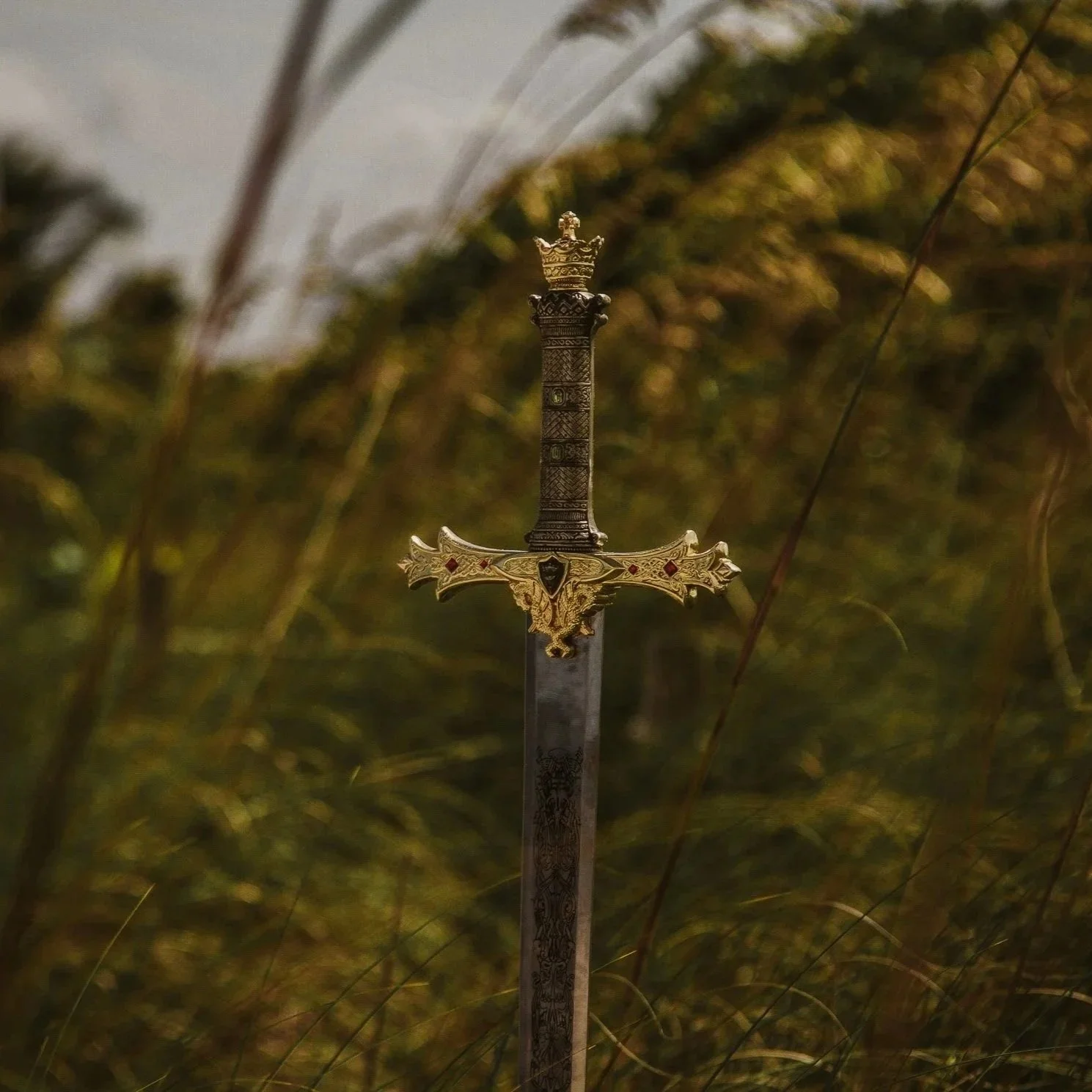
Romantasy is a very technically demanding sub-genre to write well, precisely because of the sheer ambition of it.
You’re writing two complete, compelling arcs and weaving them together so tightly that neither can exist without the other.
A developmental editor who specialises in romantasy isn't just checking whether the rules of your world make sense or if your plot holes are filled.
They're reading for the integrity of both arcs, the quality of their interaction, and the accuracy of your genre signals. They're asking: does this work as a fantasy? Does this work as a romance? And does it work as romantasy?
If you're not yet sure of the answer, or if you suspect your manuscript is stronger in one lane than the other, that's exactly the kind of question a developmental edit is designed to address.
