
How to Master Romantasy Worldbuilding: Intertwine Your World with Your Romance
If you've ever wondered why some romantasy novels feel seamless while others feel forced, the secret is in how the world supports the romance. The best romantasy doesn't just place a love story inside a fantasy setting – it lets the world shape, threaten, and deepen that romance at every turn.
In this post, I’m breaking down exactly how to build a world that does that: one that generates conflict, drives character decisions, and makes your readers feel like they've stepped into a whole new world. You'll find examples, practical strategies, and a worldbuilding audit you can run on your own manuscript – whether you're drafting, revising, or somewhere in between.
HOW TO MASTER ROMANTASY WORLDBUILDING
Worldbuilding romantasy is different. In a standard fantasy has to make the world feel real and give the plot something to push against. In romantasy, it has two crucial roles to play. Your world needs to feel rich enough to satisfy fantasy readers, while also actively shaping and deepening the romantic arc in ways that keep readers turning pages at 2am. When worldbuilding is doing its job in romantasy, you can't easily untangle the love story from the world it lives in. They're the same story.
This is what separates a romantasy that lingers from one that feels like a fantasy novel with a romance subplot stapled on.
So, let's look at the specific ways your world can generate the conflict that makes both plot lines sing.
How Worldbuilding Generates Conflict in Romantasy Plotlines
There are many ways that worldbuilding can influence the romance arc in your romantasy novel; some of the most impactful include:
Creating a Fantastical Setting
Your setting is an active participant in the plot – the physical environment, the political landscape, the geography, the magical creatures, rules, and customs can all become external obstacles that create conflict for your characters to navigate.Character Motivations Rooted in the World
The most compelling characters have wants and fears that come from the world they grew up in. Depending on their experiences, they’ll likely have very different opinions about love, trust, power, vulnerability, and other story-specifics. That history will guide their decision making and how they respond to the journey you take them on.Culture, Customs & Traditions
All three add flavour to the world you create, but they can also dictate what love looks like. Arranged marriages, forbidden unions across class or bloodlines, social rules that make certain expressions of love dangerous all create external pressure applied directly to the romance.Myths, Secrets & History
Hidden truths, prophecies, legends, and old rivalries naturally create obstacles for love. These elements can guide choices, raise stakes, and deepen tension without feeling forced.
Practical strategies for worldbuilding in romantasy novels
One of the most common issues I see with worldbuilding in romantasy manuscripts is info-dumping, particularly at the start of a novel. This is also known as overloaded exposition – when an author includes a huge amount of big-picture scene-setting before the real action starts. This can be off-putting to readers (potentially leading to an early DNF) and doesn’t do your world, your characters, or your plot justice.
Sometimes, in a first draft, big chunks of exposition are the easiest way to get your story out and on paper but when it comes to revision and developmental editing, this is a crucial element to work on distributing more evenly.
You can improve this – and your worldbuilding as a whole – in a few ways:
✴ BREADCRUMB METHOD
Rather than delivering your worldbuilding in large chunks, reveal information in small, deliberate pieces throughout your story. These ‘breadcrumbs’ can be woven into dialogue, character reactions, moments of conflict, or even the way your setting is described. This works particularly well with romantasy because it allows your worldbuilding and romance to develop side by side – as your characters grow closer, the reader gains a deeper understanding of the world they’re navigating. For example:Instead of: “Fae magic was influenced by the weather. Mary wouldn’t be able to use her fire magic in a storm.”
Try:“The storm rattled the family tent and Mary cursed herself for leaving her matches behind. The sheets of rain soaking the ground may as well have been dowsing her fire magic directly.”
✴EXPLORE THE WORLD WITH YOUR CHARACTERS
Let readers discover the world at the same time as your characters. Rather than presenting your world as something fixed and fully explained, treat it as something your characters are constantly interacting with. The more your world is experienced, the more immersive it becomes. For example:Instead of: “The palace guards were stoic and unwelcoming.”
Try: “Calum noted the guards’ scowls as they looked down their noses at excited tourists and schoolchildren. He promised himself to speak to the princess about their lack of enthusiasm next time they met for tea.”
* Top Tips to Catch Worldbuilding Slip UpsRemember What You Know (and What the Reader Doesn’t) When you’ve spent hours on your manuscript, it’s easy to forget that your reader is coming in fresh. Missing spatial details or unclear scene blocking can pull them out of the story. If a character moves through a space, the reader needs just enough grounding to follow them. Likewise, hints of lore must be followed up or they risk feeling incomplete.
Watch for Narrative Voice Overloaded exposition often shows up as a slip in narrative voice – the narrator may pause to explain something directly to the reader instead of letting it emerge naturally. For example:
1) Aria walked through the town centre. It had been built over a hundred years ago and remained unchanged because her people valued tradition.
2) Aria walked through the town centre, her gaze lingering on the weathered stonework. It was over a hundred years old and still barely touched. Just how her people liked it.
When you revise, make sure you’re always telling the whole story, not saying something directly to the reader or missing key elements.
Build Out Your World for Yourself (Even What Readers Won’t See)
One of the best investments you can make as a romantasy writer is to build out your world in more detail than will ever appear on the page. Why? Because the more you know, the more confidently you can write.
✴ When you understand exactly why your world's magic system works the way it does, you stop second-guessing plot decisions.
✴ When you know your character's full backstory – including the parts that happened before page one – you understand why they react the way they do in time of action, conflict, or emotional vulnerability.
✴ When you've thought through the mythology your world believes in, your characters reference it naturally rather than awkwardly, because you believe in it too.
As a bare minimum, I believe you should aim to have:
✴ Map
Having a map can help you visualise the relationship between landscapes and weather conditions, track travel times so your pacing is believable, and understand how what different regions mean to your characters. It also catches logical inconsistencies before your editor does – the moment you realise two locations are geographically impossible to reach in the timeframe you've given your characters, for instance.✴ Character Backstories
Every major character should have a backstory that goes beyond what's on the page – one that's rooted in the world's history, culture, and rules. Not because readers will read it, but because you need to understand how your world shaped each person differently. Two characters from the same kingdom will have had very different experiences of that kingdom depending on their class, their magic, their family, their losses etc. Those differences should show up in how they move through the world, what they notice, what they fear, and crucially for romantasy – how they love and whether they believe they deserve to be loved.* Don’t forgetYou can use my free Romantasy Writer’s Character Toolkit to map out your characters’ backstories and make sure they’re rooted in the world you’ve created.)
How to Make Sure Your World Is Truly Intertwined With Your Romance
This is the audit. Work through it against your manuscript at any stage – drafting, revising, before you send to an editor – to give your worldbuilding a health check and see that you’re on track, or what you need to flag to work on later.
✴ Map the overlaps — identify every place where the world directly touches the romance. Where does magic, culture, geography, or power structure create a meaningful moment between your leads?
✴ Check the relevance — for every worldbuilding element in the manuscript, ask: is it directly relevant to at least one plot point or character choice? If a tradition, creature, location, or snippet of lore doesn’t influence plot, character, or romance, consider cutting or reshaping it.
✴ Evaluate conflict and tension — go through your major tension beats and ask: did the world create this naturally, or does it feel convenient? Make sure you can explain how and why your world produces a particular outcome.
✴ Review emotional stakes — check that your world amplifies the romance. Are barriers, risks, and consequences meaningful to the characters’ relationship? The world should challenge the romance in ways that feel inevitable, not arbitrary.
✴ Test reader experience — read a chapter with fresh eyes (or ask a beta reader) and notice where you had to pause to understand the world. That’s where integration can improve.
A worldbuilding audit like this ensures your fantasy and romance aren’t just coexisting – they’re intertwined, making your story feel cohesive, immersive, and emotionally resonant.
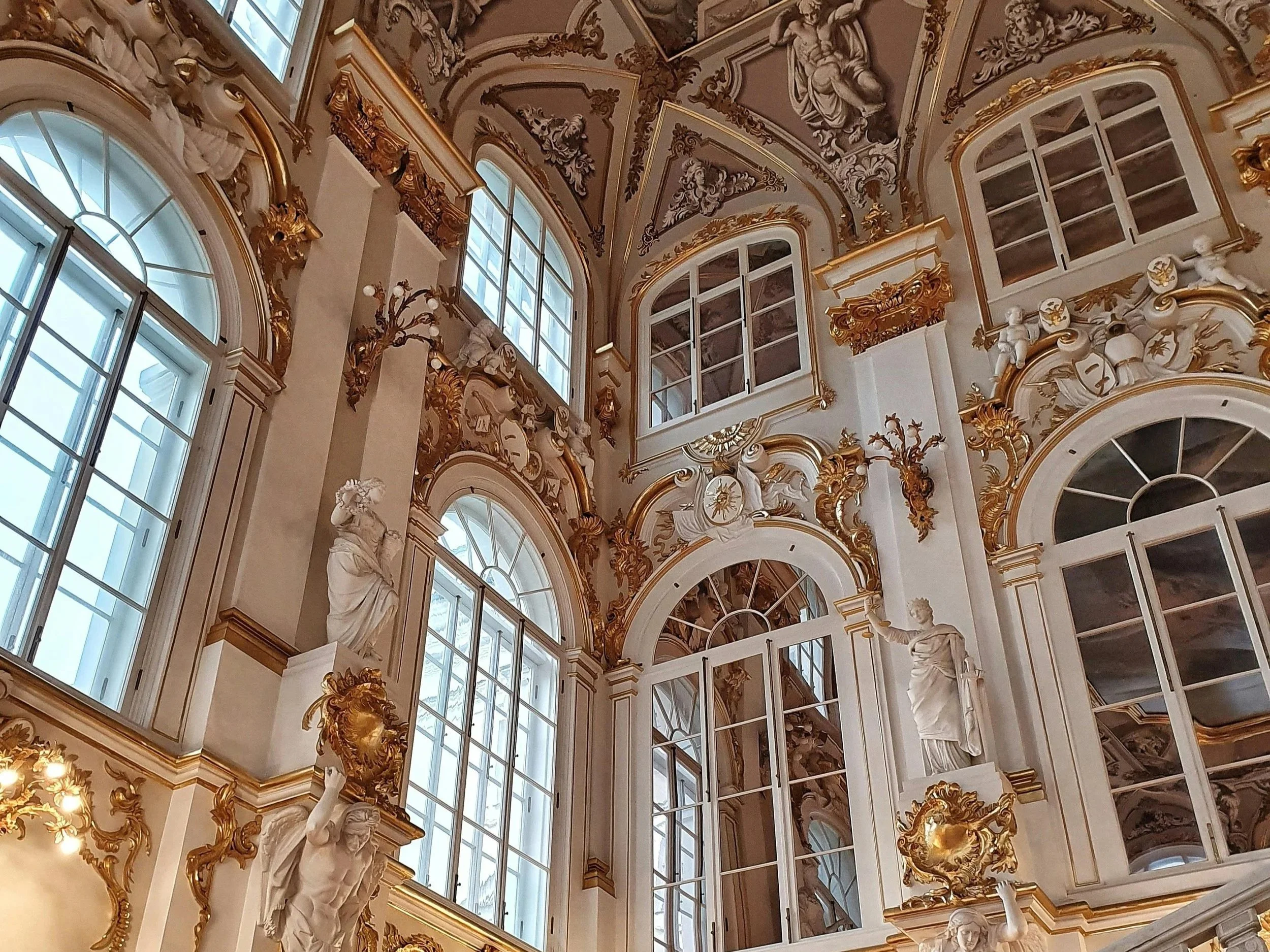
By using worldbuilding strategies like the breadcrumb method, exploring the world through your characters, and grounding every detail in the story’s logic, you ensure that your romantasy novel resonates with both fantasy lovers and romance readers alike.
Take the time to flesh out your world, audit its interactions with your romance, and trust the depth you’ve created – it will pay off in a story that lingers long after the final page.
And remember: the more fully you understand your world (its history, its culture, its magic – and how those things affect your story) the more confidently you can craft a romance that feels as vast, complex, and enchanting as the world itself.
Now it’s time to put everything into practice. Work through the audit above, integrate your worldbuilding into key scenes, and observe where romance and your world interact. This process will transform a good romantasy story into one that feels seamless, immersive, and irresistible to readers.
Download my Romantasy Writer’s Character Toolkit — a free, fully customisable Notion workspace for mapping characters, building backstories, and improving worldbuilding by crafting characters that are deeply rooted in the lore of your universe.
